
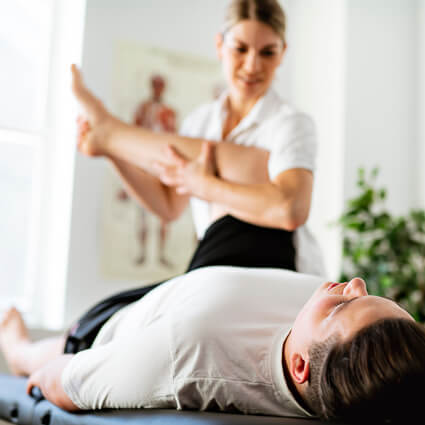
 If you are dealing with sharp, burning, or aching pain shooting down your leg, I know how frustrating and limiting sciatica can feel. Many people come into my Orillia, Ontario chiropractic clinic feeling scared to move, unsure of what exercises are safe, and exhausted from trying stretches that only seem to make things worse. One of the most common mistakes I see is people stretching too aggressively or forcing movements too early, which can actually increase sciatic nerve irritation.
In my over 25 years as a chiropractor in Orillia, Ontario, I have worked with hundreds of patients dealing with sciatica leg pain. The people who experience relief the fastest are rarely the ones pushing through pain. They are the ones who understand how to calm nerve tension first and then progress carefully. When the right approach is used, many patients notice a change quickly, sometimes in under a minute, because the nervous system responds best to safety, control, and consistency.
In this article, I am going to walk you through five targeted sciatica pain relief exercises laid out in a safe, step by step progression. These exercises are designed for any level of sciatica, whether you are in severe pain, struggling to sit, or ready for deeper relief. They require no equipment and can be done seated, on a bed, or on the floor, so you can meet your body where it is today. I will also explain why each exercise matters, how it works, and when it is appropriate to progress. At the end, I will cover an important bonus stretch that addresses a common postural issue that often plays a hidden role in recurring sciatica leg pain.
What Causes Sciatica Leg Pain?
Sciatica leg pain is not a condition on its own. It is a symptom that occurs when the sciatic nerve becomes irritated or compressed. The sciatic nerve is the largest nerve in the body. The L4, L5, S1, S2, S3 nerve roots travel from the lower spine and sacrum, through the buttock where it forms the sciatic nerve, which then runs all the way down the back of the thigh and branches out into the leg and foot.
In my clinical experience as a chiropractor in Orillia, Ontario, one of the most common causes of sciatica leg pain is tight or overactive muscles in the buttock and deep hip region. The piriformis muscle, along with other deep hip rotators, sits very close to the sciatic nerve. When these muscles become tight, inflamed, or overworked, they can press on or irritate the nerve, leading to shooting pain, burning sensations, numbness, tingling, or weakness.
This type of pain can severely limit daily activities. Sitting may feel unbearable. Standing or walking may increase symptoms. Sleep is often disrupted, especially when lying on the affected side. Many people tell me they feel stuck, afraid to move, and unsure of what is making things better or worse.
Another major contributor is posture. Prolonged sitting, especially with poor posture, increases tension in the hip flexors and glute muscles. Over time, this can pull the pelvis into an anterior tilt, placing more stress on the lower back and sciatic nerve. In some patients, an unlevel pelvis caused by a true anatomical short leg creates ongoing imbalance that continues to irritate the nerve even when muscles are stretched.
Because the sciatic nerve is sensitive, aggressive stretching or doing too much too soon can flare symptoms. That is why this routine is structured as a progression. The goal is to calm the nervous system first, then restore movement gradually.
Here are 5 exercises that may help relieve sciatica leg pain. Each exercise is also demonstrated in this video.
Exercise 1. Seated Glute and Piriformis Stretch. Easy Level
This first exercise is designed to gently mobilize the pelvis and lower spine while reducing tension on the sciatic nerve as it travels through the pelvic region and into the upper leg. Rather than forcing a deep stretch, this movement focuses on easing pressure at the nerve root and improving how smoothly the nerve glides through the hip and leg. Because of its gentle nature, this exercise is especially helpful for people experiencing moderate to severe pain, including sharp, shooting, or burning sensations in the lower back, buttock, or down the leg. When aggressive stretching is not yet tolerated, this approach provides a safe and effective starting point.
To perform this movement, a pillow or folded towel is placed at the edge of an elevated surface such as a bench or table. The upper body leans forward so the cushion supports the torso above the belt line, allowing the pelvis to hang freely over the edge. Once the upper body feels stable, the knees are allowed to bend so the legs hang unsupported. This position can be done with one leg at a time or both legs together. Gentle side to side rocking or small circular motions are then introduced, keeping the movement slow and relaxed without forcing range of motion. Breathing should remain calm and steady, allowing the lower back and legs to fully relax.
This position should feel comfortable and often creates a sense of relief through the lower back, gluteal muscles, and legs. The movement can be held for anywhere from thirty seconds up to two minutes, depending on comfort, and may be repeated five to ten times throughout the day. As long as symptoms remain calm and the movement feels supportive rather than aggravating, this exercise can be continued as preparation for the next progression.
Exercise 2. Pigeon Pose Glute and Piriformis Stretch. Bed Version. Moderate Level
The next progression builds on the same supported position but introduces additional traction through the pelvis and lower spine by allowing more weight through the legs. This added traction helps reduce tension at the nerve root by opening space in the areas of the spine where the nerve exits. This exercise is most appropriate for individuals with mild to moderate pain, lingering leg symptoms, stiffness, or tightness who want to improve nerve mobility without moving into aggressive stretching.
The setup mirrors the previous exercise. A pillow or folded towel supports the upper body at the edge of an elevated surface while the pelvis remains free. A small weight can be gently held between the legs to increase traction, although this should only be added if the movement remains comfortable. Once positioned, the knees bend and the legs hang freely with the added weight providing a gentle downward pull. The body then moves slowly side to side or in small circles, maintaining relaxed breathing and avoiding any forced movement.
This exercise should feel soothing rather than intense, with a gradual easing of tension through the lower back, glutes, and legs. The position can be held for thirty seconds up to one minute and repeated five to ten times per day. If symptoms remain calm and the movement feels beneficial, it can be continued as part of a progressive routine.
Exercise 3. Seated Glute and Piriformis Stretch. Chair Version. Easy Level
This seated stretch is one of the safest and most accessible options for calming irritated glute and piriformis muscles that commonly contribute to sciatic nerve irritation. It is particularly useful when leg pain is sharp, sensitive, or easily aggravated, or when sitting and standing tolerance is limited. For individuals with moderate to severe sciatica symptoms, this exercise provides a controlled and supportive way to begin restoring movement.
The exercise is performed seated upright in a chair with both feet flat on the floor. The knee on the painful side is slowly lifted and gently guided toward the opposite shoulder using the hands. The back remains upright and the shoulders relaxed throughout the movement. A mild to moderate stretch should be felt deep in the buttock area without sharp pain or increased nerve symptoms down the leg.
Each stretch is held for approximately ten to thirty seconds before relaxing. This counts as one repetition, and up to ten repetitions can be performed per day. Symptom response is the most important guide. If the movement creates relief and the leg feels lighter or more open, it can be continued. If it aggravates symptoms or increases pain down the leg, it is a sign that the body is not ready yet, and taking a break is appropriate. Once this exercise feels comfortable and symptoms remain calm, progression to the next level may be appropriate.
Exercise 4. Seated Piriformis Stretch Using the Bed. Moderate Level
Once the seated chair version feels comfortable, the stretch can be progressed using the bed for added support and control. This version allows a deeper stretch of the glute and piriformis muscles while still keeping stress on the body manageable. The bed provides stability and makes it easier to adjust how much pressure is applied, making it suitable for people with mild to moderate sciatica symptoms or those who experienced relief with the earlier exercise.
To perform this movement, one knee is placed up on the bed in front of the body in a pigeon style position while the opposite leg remains extended behind. The body slowly leans forward toward the front knee, with the arms assisting to control the depth of the stretch. The goal is to allow the stretch to settle into the back pocket area of the hip without forcing the position.
A moderate stretch should be felt through the glute and hip region without sharp pain or worsening symptoms. The stretch is held for ten to thirty seconds on each side before relaxing. This is repeated for up to ten repetitions per day. As comfort improves and movement becomes easier, progression to the next exercise may be appropriate.
Exercise 5. Supine Pigeon Pose Glute Stretch. Floor Version. Advanced Level
The floor version of the pigeon pose represents an advanced progression and allows for a deeper stretch of the glute and piriformis muscles. This variation requires greater mobility and control and places higher demands on the hips. For this reason, it should only be attempted if the previous exercises were well tolerated without symptom flare ups.
This exercise is best suited for individuals with mild or improving sciatica symptoms who have fewer movement limitations and can tolerate deeper stretching. From the floor, one leg is brought forward into a pigeon position while the opposite leg extends behind. The hips are kept as level as possible as the body slowly leans forward toward the front knee. The movement remains controlled and relaxed, allowing the stretch to settle gradually into the buttock and hip region.
A strong but tolerable stretch is expected, but there should be no sharp pain or worsening nerve symptoms. The position is held for ten to thirty seconds on each side before relaxing. Up to ten repetitions per day can be performed as long as symptoms remain calm.
Bonus Exercise: Supine Pigeon Pose Glute Stretch. Floor Version. Advanced Level
The floor version of the pigeon pose represents an advanced progression and allows for a deeper stretch of the glute and piriformis muscles. This variation requires greater mobility and control and places higher demands on the hips. For this reason, it should only be attempted if the previous exercises were well tolerated without symptom flare ups.
This exercise is best suited for individuals with mild or improving sciatica symptoms who have fewer movement limitations and can tolerate deeper stretching. From the floor, one leg is brought forward into a pigeon position while the opposite leg extends behind. The hips are kept as level as possible as the body slowly leans forward toward the front knee. The movement remains controlled and relaxed, allowing the stretch to settle gradually into the buttock and hip region.
A strong but tolerable stretch is expected, but there should be no sharp pain or worsening nerve symptoms. The position is held for ten to thirty seconds on each side before relaxing. Up to ten repetitions per day can be performed as long as symptoms remain calm.
When to Seek Professional Care
While gentle exercises can help calm sciatic nerve irritation, professional care is important when symptoms do not improve or begin to worsen. Ongoing sharp, burning, or shooting pain that travels down the leg, especially if it limits sitting, standing, walking, or sleep, should be properly assessed. If stretching consistently aggravates symptoms or relief is only short lived, this may indicate an underlying mechanical or postural issue that requires targeted care. Numbness, tingling, weakness, or changes in leg control are also signs that a professional evaluation is needed to ensure the nerve is protected and healing appropriately.
Nightly Action Plan
A simple nightly routine can help calm sciatic symptoms and prepare the body for rest. In the evening, focus on gentle, supported movements that allow the lower back, pelvis, and legs to relax rather than aggressive stretching. Positions that unload the spine and let the legs hang freely can reduce built up tension from the day. If comfortable, add a light glute or piriformis stretch using slow, controlled movement and relaxed breathing. End with a gentle hip flexor stretch to ease pelvic tension from prolonged sitting. Consistency and comfort are key. The routine should leave symptoms calmer, not irritated, before sleep.
Final Thoughts
Sciatica leg pain can feel overwhelming, but relief is possible when the nervous system is respected and the root cause is addressed. By starting gently and progressing thoughtfully, you give your body the opportunity to heal.
If you are local to Orillia, Ontario and struggling with sciatica, I encourage you to seek a thorough assessment. With the right approach, lasting relief is achievable.
Frequently Asked Questions
Can a chiropractor help sciatica leg pain in Orillia, Ontario?
How fast can these exercises work?
Should I stretch through sciatica pain?
Why does my sciatica keep coming back?
When should I book an appointment?
If you live in or around Orillia, Ontario and want a personalized plan for sciatica relief, contact my clinic to schedule an appointment and take the next step toward lasting comfort.
Dr. Whitney Wihlidal
Chiropractor In Orillia, ON
15 Matchedash St. N.